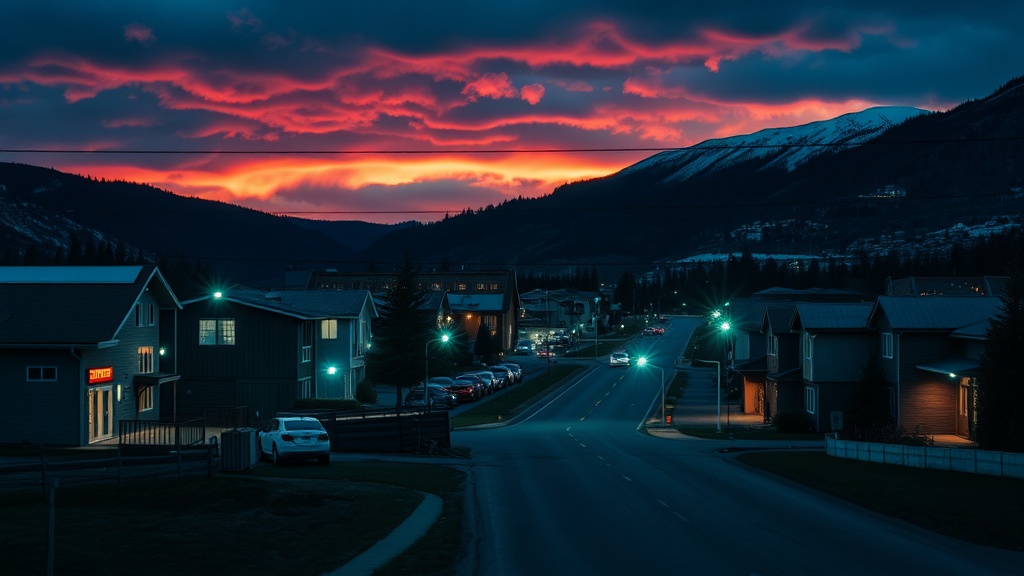
Why Kootenays Municipal Infrastructure and Local Services Matter for Residents

Understanding the Backbone of Our Kootenays Communities
Did you know that maintaining mountain-grade-capable infrastructure in the Kootenays often costs significantly more per capita than in the flatter, more populated regions of the Lower Mainland? This isn't just about road salt or snow removal; it's about the structural integrity of the places we call home. This article examines the vital local services, municipal systems, and civic-minded initiatives that keep our Kootenays towns running smoothly, from water management in Nelson to road maintenance in Fernie.
Living in the Kootenays means we often deal with unique geographic challenges. Our steep terrain and seasonal weather patterns demand a higher level of attention from local governments. When we talk about civic life, we aren't just talking about politics; we're talking about the reliability of the water lines running under our streets and the ability of our local fire departments to reach remote properties. Understanding these systems helps us become better neighbors and more informed residents.
Where Does Our Local Tax Money Go in the Kootenays?
A common question we hear at community meetings is where our property tax dollars actually end up. In many Kootenays municipalities, a significant portion of the budget is dedicated to basic service maintenance. This includes things like the upkeep of local parks, snow removal on municipal streets (like the winding routes around Nelson or Cranbrook), and managing the waste-water systems that are particularly complex in our mountainous terrain.
For instance, the Regional District of East Kootenay (RDEK) manages many essential services that individual towns might not handle alone. This shared-service model is a hallmark of how we live in the Kootenays. It ensures that even smaller, unincorporated areas receive a baseline of service, from fire protection to solid waste management. Without this regional approach, many of our smaller communities would struggle to maintain even basic-level infrastructure.
- Water Management: Ensuring safe, potable water through local watershed protection.
- Road Maintenance: Keeping the mountain passes and town streets clear during heavy snowfall.
- Emergency Services: Funding local fire and rescue services that are trained for our specific terrain.
- Public Works: The unglamorous but vital work of maintaining sewers, drains, and public spaces.
How Do We Improve Local Infrastructure in the Kootenays?
Improving our local systems requires a mix of community advocacy and long-term planning. We see this happening through various local initiatives. For example, when a local town council discusses a new sewage treatment plant or a bridge upgrade, it's often a result of years of community pressure and technical assessments. We need to stay engaged with our local government processes to ensure our voices are heard before decisions are finalized.
One way to stay informed is by checking the official websites of our local governments. For example, the City of Nelson provides regular updates on public works and infrastructure projects through their official portal at nelson.ca. Staying informed about these projects helps us understand why certain roads might be closed or why a certain tax levy is being proposed. It's not just about the money; it's about the long-term viability of our Kootenays towns.
We also see local grassroots organizations pushing for better amenities. Whether it's a new bike lane in Castlegar or a playground upgrade in Revelstoke, these changes rarely happen by accident. They are the result of neighbors talking to neighbors and presenting a unified front to their local representatives. Our community is strongest when we participate in these civic discussions.
What Are the Biggest Challenges for Kootenays Local Government?
One of the biggest hurdles facing our local leaders is the balance between growth and preservation. As more people move to the Kootenays, the pressure on our existing infrastructure—like our roads, schools, and water-treatment facilities—increases. We have to ask ourselves: how do we accommodate new residents without losing the character and reliability of our current systems?
Another massive challenge is the aging infrastructure in older parts of our towns. In many Kootenays communities, the pipes and roads were laid decades ago and are now reaching the end of their useful life. Replacing these systems is expensive and disruptive, yet it's a necessity for the continued health of our community. We can find more information on regional development trends via the BC Ministry of Municipal Affairs at gov.bc.ca, which often outlines the standards our local governments must follow.
Ultimately, being a resident in the Kootenays means more than just enjoying the scenery. It means being an active participant in the upkeep of the systems that support our lives. Whether it's attending a town hall, voting in a local election, or simply reporting a pothole to your municipal office, every small action contributes to the resilience of our Kootenays homes.
| Service Category | Typical Provider | Community Impact |
|---|---|---|
| Fire & Rescue | Municipal/Regional District | Life Safety & Property Protection |
| Water/Sewer | City/Township/RD | Public Health & Sanitation |
| Road Maintenance | Local Government/Ministry | Access & Safety in Weather |
| Parks & Rec | Local Government | Community Well-being & Socialization |
As we move forward, let's continue to keep an eye on these local developments. Our ability to advocate for the resources we need is what will keep the Kootenays a vibrant, functional place for generations to come. It's a collective effort, and it starts with being informed and present in our local civic life.