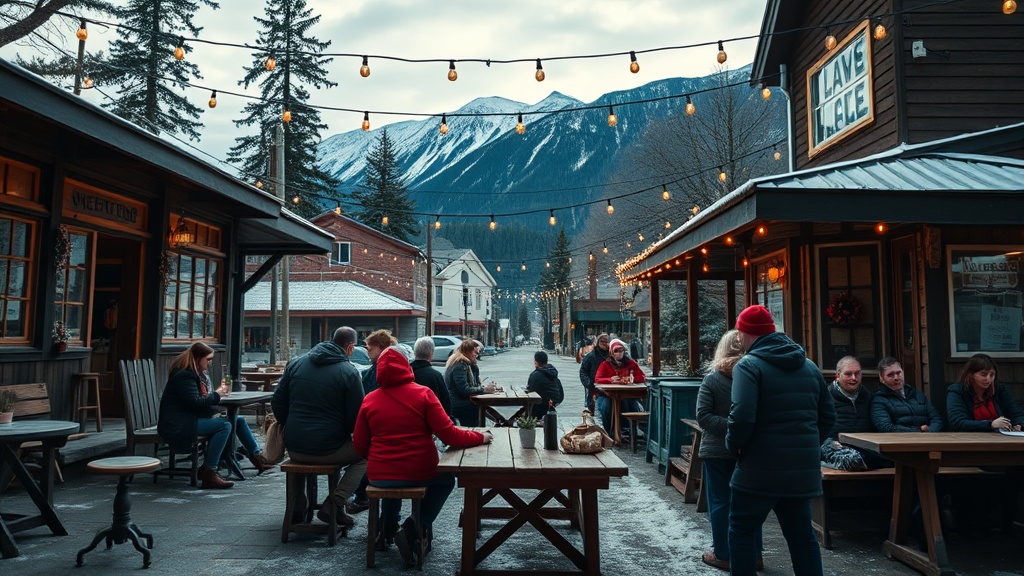
Where Do Kootenay Families Actually Gather? Community Hubs That Keep Our Region Connected

Here's something that surprised us: over 65% of Kootenay residents live within a 15-minute walk of a community recreation facility—yet fewer than 40% have stepped inside one in the past year. That gap between access and participation isn't about lack of interest. It's about not knowing what's actually available in our own backyard. This guide cuts through the confusion and shows you where your neighbors are already gathering—and what programs are worth your time.
What Makes Kootenay Community Centers Different from Typical Recreation Facilities?
Most towns have recreation centers. What makes the Kootenays distinct is how our facilities double as genuine community living rooms—not just places to sweat, but places to connect.
Take the Nelson & District Community Complex on Victoria Street. Sure, it has the standard ice rink and fitness equipment (and a decent pool, if you don't mind the occasional lap-swagger). But walk through on a Thursday evening and you'll find the lobby packed with parents chatting while kids scramble between skate lessons and climbing wall sessions. The concession stand—run by local volunteers—serves coffee that's surprisingly drinkable and proceeds funnel directly back into youth programs.
Then there's the Trail Aquatic Centre. The building itself is nothing architecturally stunning—concrete block, built in the 80s, slightly too humid in summer. But the programming tells a different story. They run adaptive swimming sessions for seniors with mobility challenges, after-school homework clubs that actually get results, and community kitchen nights where residents cook together using ingredients from local farms. It's messy, occasionally chaotic, and exactly what a small-town resource should be.
What separates these spaces from generic gyms isn't the equipment—it's the staff who remember your name and the programming built by people who actually live here.
Which Programs Actually Fill Up Fastest in Nelson, Trail, and Cranbrook?
If you want to gauge what's truly valued in a community, skip the satisfaction surveys and check the registration waitlists. Here's what disappears within days of opening:
- Youth skate programs in Trail — The Learn-to-Skate sessions at the Trail Memorial Centre fill every winter. Locals know to register the moment the district opens enrollment—usually mid-September. The secret isn't just instruction quality (though it's solid); it's that volunteer coaches include retired hockey players who actually care whether your kid stops on their skates.
- Senior aquatic fitness in Nelson — The gentle movement classes at the community complex aren't flashy, but they're essential for residents managing arthritis, recovering from surgery, or simply staying mobile through our wet, slippery winters. The 9 AM weekday slots have waitlists stretching weeks.
- Summer day camps in Cranbrook — The Western Financial Place runs municipal camps that cost roughly half what private alternatives charge—and they're staffed by university students home for summer who grew up in these programs themselves. Registration opens February 1st. By February 3rd, most weeks are full.
The pattern? Programs that combine affordability with genuine local knowledge win every time.
Where Can Families Find Affordable Activities During Kootenay Winters?
Let's be honest—Kootenay winters are long, dark, and expensive to escape. Ski passes add up. Gas to the coast isn't cheap. And cabin fever is real when the short daylight hours settle in.
That's where our community centers earn their keep. The Fernie Community Centre runs drop-in gym nights every Friday for families—five dollars per family, no registration required, equipment provided. You'll find toddlers tumbling on mats while older kids play basketball and parents trade survival stories about basement flooding and snow removal.
In Revelstoke, the community centre on Mackenzie Avenue hosts "Parent & Tot" mornings three times weekly—cheap coffee, toys scattered across the gym floor, and zero judgment when your toddler melts down because someone else touched the red truck. It's not structured programming; it's sanity preservation. And for isolated parents juggling young kids through February storms, that matters more than any organized class.
The Kimberley Aquatic Centre offers something similar with their "Family Swims"—reduced rates on Sunday evenings, the lazy river opened for floating, and a hot tub that fits actual conversation. Bring your own towels (rental fees are annoying) and arrive early—the parking lot fills fast.
How Do Rural Residents Access Recreation Programs Across Our Region?
Not everyone in the Kootenays lives within walking distance of a pool or gym. Our region includes isolated properties, rural acreages, and communities separated by mountain passes that close during weather events. For these residents, the standard community center model doesn't work—and local governments know it.
The Central Kootenay Regional District runs mobile recreation programs that rotate through smaller communities—Think mobile skate parks, temporary climbing walls, and pop-up fitness equipment that set up in school yards or community halls. Check the RDCK recreation calendar to see when they're hitting your area.
Several communities—including Creston and Nakusp—run volunteer-driven shuttle programs that transport seniors to larger facilities in neighboring towns. These aren't flashy services, but they keep isolated residents connected to pools, fitness classes, and—crucially—other people.
For families in truly remote areas, some centers (notably Cranbrook's Western Financial Place) offer "rural rate" discounts that acknowledge the travel burden. You'll need to ask—these aren't always advertised—but they exist for residents from designated postal codes outside municipal boundaries.
What Hidden Gems Exist in Smaller Kootenay Communities?
The big facilities—Nelson, Cranbrook, Trail—get most attention. But some of our region's most interesting programming happens in smaller centers that outsiders rarely consider.
- The Salmo Valley Youth Centre operates on a shoestring budget in a repurposed church basement. Their Friday night open gym sessions have become neutral territory for teenagers from competing high schools. There's no formal anti-bullying curriculum—just adult mentors who actually show up consistently and call out nonsense when they see it.
- Silverton's Community Hall hosts monthly "Repair Cafés" where residents bring broken appliances, torn clothing, and wobbly furniture. Local volunteers with actual trade skills help fix them—free of charge, though donations keep the coffee flowing. It's practical environmentalism mixed with genuine skill-sharing.
- Kaslo's Library and Community Center runs a seed library alongside its book collection. Gardeners check out seed packets in spring, grow the plants, and return saved seeds in fall. The program preserves heritage varieties suited specifically to Kootenay growing conditions—varieties you won't find in commercial catalogs.
- New Denver's Recreation Complex includes a surprisingly well-equipped woodshop available for community use. Take a safety orientation, pay the nominal membership, and you can build furniture, fix boat motors, or just escape your household for a few hours of productive noise.
These programs share a common thread: they emerged from specific local requests rather than municipal strategic plans. Someone asked. Someone else with resources said yes. That's how community infrastructure actually gets built in the Kootenays—not through master planning, but through persistent residents making reasonable demands.
Which Facilities Are Actually Worth the Drive?
If you live in one Kootenay community, should you bother driving to another's recreation center? Sometimes, yes.
The Cranbrook Aquatic Centre (attached to Western Financial Place) justifies the trip from surrounding areas for serious swimmers—the 50-meter lane pool is the only one of its kind in the East Kootenay. Their Masters Swimming program draws participants from Fernie, Kimberley, and even as far as Sparwood.
Castlegar's Complex has the region's best-maintained ice surfaces if you're particular about skate quality. Their figure skating club attracts members from Trail and Nelson despite the travel—ice time is easier to book, and the facilities are simply better maintained.
For families with mixed ages and interests, Nelson's facility offers the best all-around package—pool, ice, climbing wall, and fitness equipment in one location. You can literally have one kid in swim lessons, another at climbing camp, and get your own workout done without driving between locations.
The honest truth? Most of us stick to our nearest center for convenience. But knowing what exists elsewhere helps when you need specific programming—or just want a change of scenery during the winter months when everything feels repetitive.
How Can Residents Actually Influence Programming?
Community centers aren't static institutions—they respond to demand. But demand has to be voiced.
Every municipal facility in the Kootenays conducts annual or bi-annual programming surveys. Most residents ignore them. That's unfortunate, because these surveys genuinely drive budget allocation. When Trail residents requested expanded pickleball programming (yes, it's everywhere now), the Aquatic Centre converted underutilized racquetball courts within six months.
Beyond formal surveys, showing up matters. Attendance numbers drive funding. If you want a program to continue—or expand—bring friends. Low-participation offerings get cut regardless of how enthusiastically they're reviewed by the small group that attends.
For significant capital requests (new equipment, facility upgrades, extended hours), direct contact with city or regional district council members works better than complaints at the front desk. These decisions happen during budget deliberations, and elected officials respond to organized residents who show up with specific requests and reasonable supporting arguments.
Our community centers belong to us—they're funded by our taxes, staffed by our neighbors, and designed (ideally) for our actual needs. Using them is the first step. Shaping them is the ongoing responsibility that keeps them relevant.