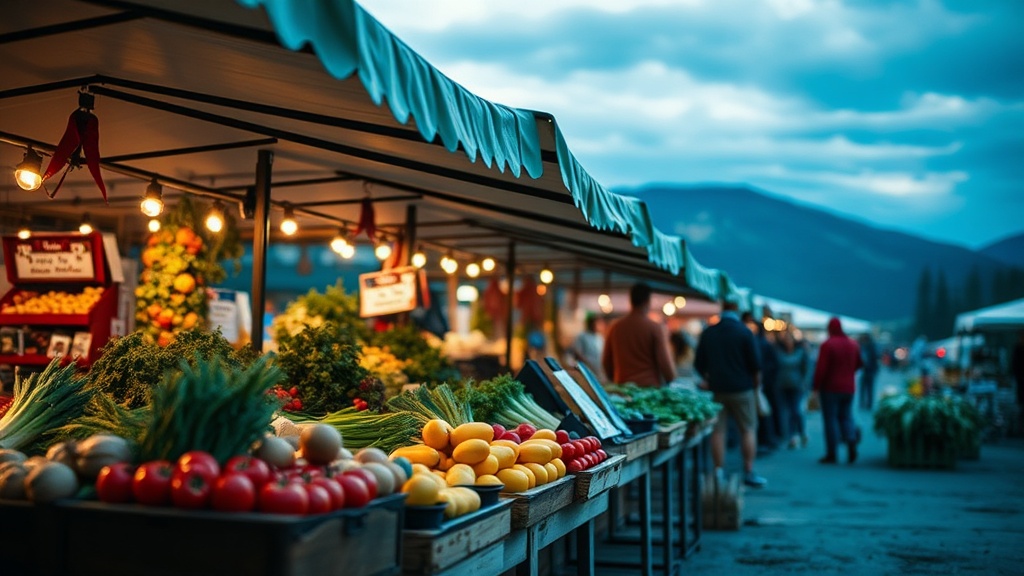
Kootenays Farmers Markets: Your Guide to Local Produce and Community Vendors

Farmers markets in the Kootenays aren't just places to pick up groceries—they're where our community comes together. This guide breaks down every major market in the Kootenays region, what you'll find at each one, and how to make the most of your Saturday morning routine. Whether you're hunting for organic greens from a Creston Valley farm, artisan bread baked that morning, or just want to chat with the person who grew your food, we've got you covered.
Which Farmers Markets Run in the Kootenays?
The Kootenays hosts over a dozen seasonal and year-round markets spread across the region. Here's what's operating in 2024:
| Market | Location | Season | Day & Time |
|---|---|---|---|
| Nelson Farmers Market | Cottonwood Falls Park | May–October | Wednesday 9:30am–3pm, Saturday 9:30am–2pm |
| Kaslo Farmers Market | Front Street | May–October | Friday 9am–2pm |
| New Denver Market | Village Square | June–September | Saturday 9am–1pm |
| Castlegar Farmers Market | Stanley Street | May–October | Tuesday 12pm–5pm |
| Trail Market on the Esplanade | Trail Esplanade | May–October | Saturday 9am–2pm |
| Creston Valley Farmers Market | Henry Grube Education Centre | Year-round | Saturday 9am–12pm (indoor Nov–Apr) |
| Fernie Farmers Market | Station Square | May–October | Saturday 9am–1pm |
| Golden Farmers Market | Spirit Square | June–September | Wednesday 10am–3pm |
The Creston Valley market is the only year-round option in the Kootenays—and that matters come November when you're craving fresh local kale instead of the limp stuff from the supermarket.
What Can You Actually Buy at Kootenays Farmers Markets?
Everything from just-picked cherries to handmade pottery. The Kootenays growing season runs roughly May through October for most produce, but vendors have gotten creative about extending their offerings.
Produce & Preserves
Expect to find heirloom tomatoes from Creston Valley growers, garlic braids that'll last you through winter, and huckleberries when they're in season (usually mid-August). Many vendors sell preserves, pickles, and fermented goods—perfect for stocking your pantry when fresh options thin out.
The organic movement runs strong here. You'll spot certified organic producers alongside those using organic practices without the paperwork. Worth noting: asking "Do you spray?" usually gets you an honest answer in the Kootenays.
Artisan Food & Drink
Local cheesemakers (Kootenay Alpine Cheese Company brings their Gouda to most markets), small-batch kombucha brewers, and sourdough bakers who've been perfecting their starter for years. Several markets now feature food trucks—grab a breakfast burrito while you shop.
Crafts & Goods
Hand-thrown pottery, beeswax candles, knitted goods using local wool, and jewelry made from Kootenay Lake stones. These aren't mass-produced trinkets; you're buying directly from the maker.
When Should You Arrive for the Best Selection?
Early. Seriously—get there within the first hour if you want the good stuff. The best tomatoes at the Nelson market? Gone by 10:30am on a busy Saturday. That said, showing up late has its perks too.
Here's the thing: vendors often discount produce in the final hour rather than pack it home. You'll sacrifice selection, but you might score a flat of canning tomatoes for half price. The catch? This only works reliably at the larger markets—Creston, Nelson, and Castlegar. Smaller markets like New Denver sell out completely some weeks.
Seasonal Timing Guide
- May–June: Greens, asparagus, rhubarb, early herbs, starter plants
- July: Berries (strawberries first, then raspberries), new potatoes, zucchini overload begins
- August: Peak everything—tomatoes, corn, peaches from Creston Valley orchards
- September–October: Root vegetables, squash, apples, late-season greens, storage crops
How Do You handle Payment and Practicalities?
Most Kootenays markets accept cash and many vendors now take e-transfer or have Square readers. Still—bring cash. Small bills especially. Nothing worse than watching someone buy a $3 bunch of carrots with a fifty.
Bring your own bags. Vendors appreciate it, and some charge for bags now anyway. A sturdy tote or two (and maybe a cooler bag for dairy or meat) covers most shopping trips.
Weather happens. The Nelson market runs rain or shine—Cottonwood Falls Park has some tree cover, but bring an umbrella if the forecast looks dicey. Castlegar's Stanley Street location is mostly exposed. Indoor winter markets (Creston, Nelson's limited winter schedule) solve this problem November through April.
What Makes Kootenays Markets Different from Big City Ones?
The relationships. In Vancouver or Calgary, you might recognize a vendor's face. In the Kootenays, you'll know their name, their farm's story, and probably their kids' names too. The markets here function as community hubs—politicians show up during election season, local musicians play acoustic sets, and neighbours actually stop to chat.
This social element isn't accidental. The Kootenay & Boundary Farm Advisors program supports many of these vendors, and the tight-knit farming community shows up for each other. When wildfires threatened the Kootenays in recent years, markets became information hubs and mutual aid coordination points.
Vendor Spotlights Worth Seeking Out
Thimble Hill Farm (Creston/Nelson): Their salad mix is legendary—washed, spun, and ready to eat. Available May through October, with limited winter availability.
Sweetwood Cattle Company (Fernie market): Grass-fed beef from cattle raised in the Elk Valley. They bring frozen cuts year-round to the Creston winter market.
Kootenay Wild (multiple markets): Foraged mushrooms when in season—chanterelles, morels, and the occasional lobster mushroom. Ask them where they foraged (they won't tell you exactly, but you'll get a general area).
Can You Sell at Kootenays Markets?
If you're growing or making something locally, probably. Each market has its own vendor application process, but most prioritize Kootenays-based producers. Expect to prove your products are locally made or grown—resellers generally aren't welcome.
Table fees range from $20–$50 per market day depending on location and season. The Nelson market has a waiting list for popular categories (jewelry and prepared foods move slowly). Smaller markets like Kaslo or New Denver often have immediate openings.
Contact individual market managers through their websites or social media pages. The BC Farmers Market Association also maintains vendor resources applicable to Kootenays markets.
Visitor Tips for First-Timers
- Walk the whole market before buying anything—prices and quality vary between vendors
- Ask questions. "When was this picked?" or "How do you cook these?" gets you better service and better food
- Bring small bills and exact change when possible
- Check if your market has a "market bucks" or token program for SNAP/food assistance—the Creston and Nelson markets participate in provincial nutrition programs
- Follow your favourite vendors on Instagram—many post what's coming to market each week
The Kootenays farmers market scene rewards regular attendance. You'll learn which vendor has the sweetest corn (it varies by year), when the first apples drop, and which baker's sourdough has the chewiest crust. You'll also put money directly into local pockets—farmers keep significantly more from market sales than they do from wholesale to grocery stores.
So grab your reusable bags and head out. Whether you're feeding a family, stocking a restaurant kitchen, or just want a perfect peach that was tree-ripe this morning, the Kootenays markets deliver.