Exploring the Kootenay River and Local Fishing Spots

Many people assume the Kootenay River is just a heavy, industrial waterway meant only for barge traffic or power generation, but it's actually one of the most diverse fishing ecosystems in British Columbia. This post breaks down the specific sections of the river you can actually fish, the species you'll encounter, and the gear that actually works in our unique currents. If you're planning a trip, you need to know the difference between the high-flow sections and the more predictable tributaries.
The Kootenay River isn't a uniform body of water. It changes drastically depending on whether you're standing near the dam systems or near the mouth of the Columbia. Understanding these shifts is the difference between a successful day on the water and a wasted trip.
Where are the best fishing spots on the Kootenay River?
The best fishing spots on the Kootenay River depend heavily on your target species, but the areas near Creston and the mouth of the Kootenay River near Bonners Ferry offer the most consistent action for trout and salmon. For those seeking more technical fishing, the slower-moving sections near the various tributaries provide better access for fly anglers. Most local anglers prefer the slower-moving stretches where the current isn't fighting you every single step of the way.
If you're a fly fisher, you'll want to look at the smaller side streams that feed into the main stem. These are often more manageable than the heavy main channel. The main river can be intimidating due to its sheer volume and speed. It’s not for the faint of heart.
The river is divided into distinct zones. You'll find different fish populations in the upper reaches compared to the lower, more sediment-heavy sections. This is a fundamental rule of the Kootenays—don't expect the same results in Creston that you'd get further north.
Targeting Specific Species
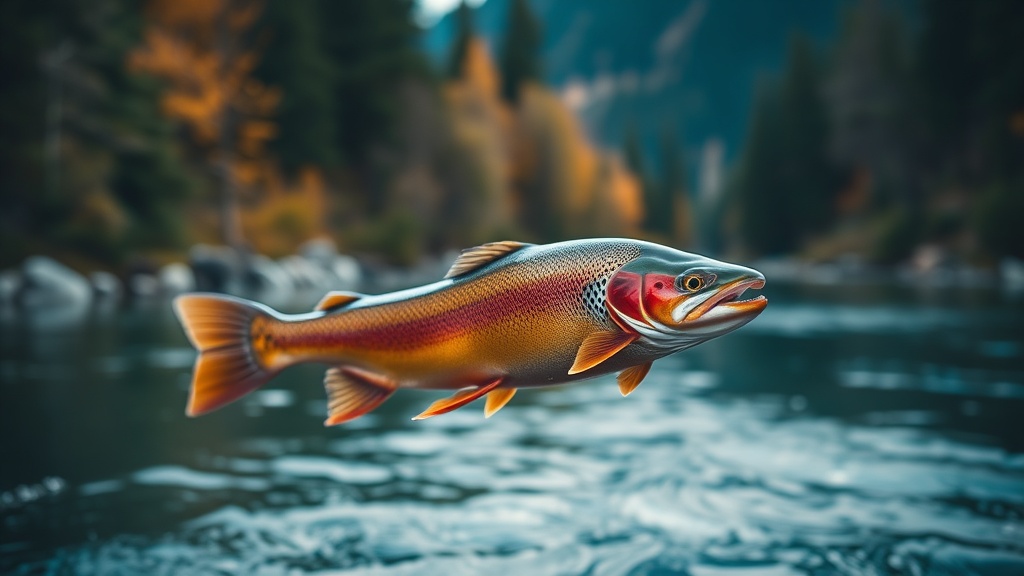
You aren't just looking for any fish; you're looking for specific behaviors. The Kootenay River hosts a variety of species that require different approaches. Here is a quick breakdown of what you might encounter:
- Westslope Cutthroat Trout: These are the locals. They love the cooler, oxygenated water of the tributaries.
- Rainbow Trout: Found throughout, but often more active in the faster-moving riffles.
- Bull Trout: A more elusive prize, often found in the colder, more remote stretches.
- Kokanee Salmon: These are prevalent in the deeper, more stable temperature zones.
It's worth noting that the river's temperature dictates much of the fish activity. When the water warms up in mid-July, the fish move to deeper, cooler pools. If you aren't tracking the temperature, you're essentially fishing blind.
What gear do I need for Kootenay River fishing?
You need heavy-duty rods for the main river and lighter, more sensitive gear for the tributaries. The choice of gear depends entirely on whether you are casting in the heavy current of the main stem or the smaller, clearer streams. If you're fishing the main river, don't bring a light trout rod—you'll end up snapping it against the current.
For the main river, I always recommend a medium-weight spinning setup with a decent drag system. The Kootenay River can be aggressive. You need a reel that can handle a sudden run from a larger fish. I personally swear by the Shimano Stradic for its durability in river environments. It handles the grit and the heavy current without skipping a beat.
If you're heading into the tributaries, you can switch to a 5-weight or 6-weight fly rod. The water is much clearer there, so your presentation matters more. You don't want to spook the fish with heavy, clunky gear. A subtle approach is better.
| Environment | Recommended Gear | Target Species |
|---|---|---|
| Main River Channel | Medium-Heavy Spinning Rod | Large Rainbows, Salmon |
| Tributaries/Side Streams | Light Fly Rod (5W-6W) | Cutthroat, Bull Trout |
| Deep Pools | Medium Rod & Heavy Sinkers | Kokanee |
Don't forget your wading boots. The riverbed can be incredibly slippery and unpredictable. I've seen too many people try to "wing it" with standard sneakers and end up in the drink. Get some high-quality felt or rubber-studded wading boots—it's a safety thing, not just a comfort thing.
For those who want to stay dry while fishing the banks, a good wading jacket is a must. The Patagonia Swiftcurrent Waders Jacket is a staple for many of us in the Kootenays because it actually stands up to the wind and spray. It's a solid investment if you plan on spending more than one season on the river.
How much does a fishing license cost in British Columbia?
A standard annual non-resident or resident fish 경우에는 (depending on your status) can be purchased through the official BC Government website. Prices vary based on whether you are a resident or a non-resident, and whether you are targeting freshwater or saltwater species. For most local anglers, a freshwater license is the standard requirement.
Always check the current regulations before you head out. The rules for the Kootenay River can change based on seasonal salmon runs or conservation efforts. It’s not just about the cost—it's about legality. The enfish or similar local tackle shops often have the most up-to-date info on what's currently legal to keep and what's strictly catch-and-release.
Here's the thing: many people forget that certain areas of the river have specific restrictions. You might have a valid license, but that doesn't mean you can fish a certain tributary during a specific week. Always check the BC Ministry of Forests guidelines for seasonal closures.
The cost is relatively low compared to the value of the experience. If you're a local, the annual resident license is quite affordable and covers a huge range of activities. If you're just visiting, a single-day pass is a great way to test the waters without a major commitment.
One thing to remember: the river is a shared resource. Respect the limits. If the sign says "No Fishing," don't argue with it. The Kootenay ecosystem is delicate, and we're all responsible for keeping it healthy for the next generation of anglers.
If you find yourself needing a break from the river, you might want to check out serene Kootenay hot springs to soak those tired muscles. It's a great way to recover after a long day of wading in cold currents.
The river is unpredictable. One day it's glass-calm and easy, and the next, it's a churning mess of silt and debris. That's part of the charm, though. If you want a predictable, easy fishing experience, you're in the wrong place. But if you want a real challenge—one that requires skill, patience, and a bit of grit—the Kootenay River will never disappoint you.
Watch the weather. In the Kootenays, a storm in the mountains can change the river level in hours. Always have a backup plan. If the river is running too high, move to the smaller creeks or wait a few days. The fish will still be there when the water settles.
Lastly, keep an eye on your local tackle shops. They are more than just stores; they are the hubs of local knowledge. They'll tell you what's biting and what flies are working right now. That's often more valuable than any online guide.